Prebiotics vs. Probiotics: The Ultimate Gut Health Face-Off
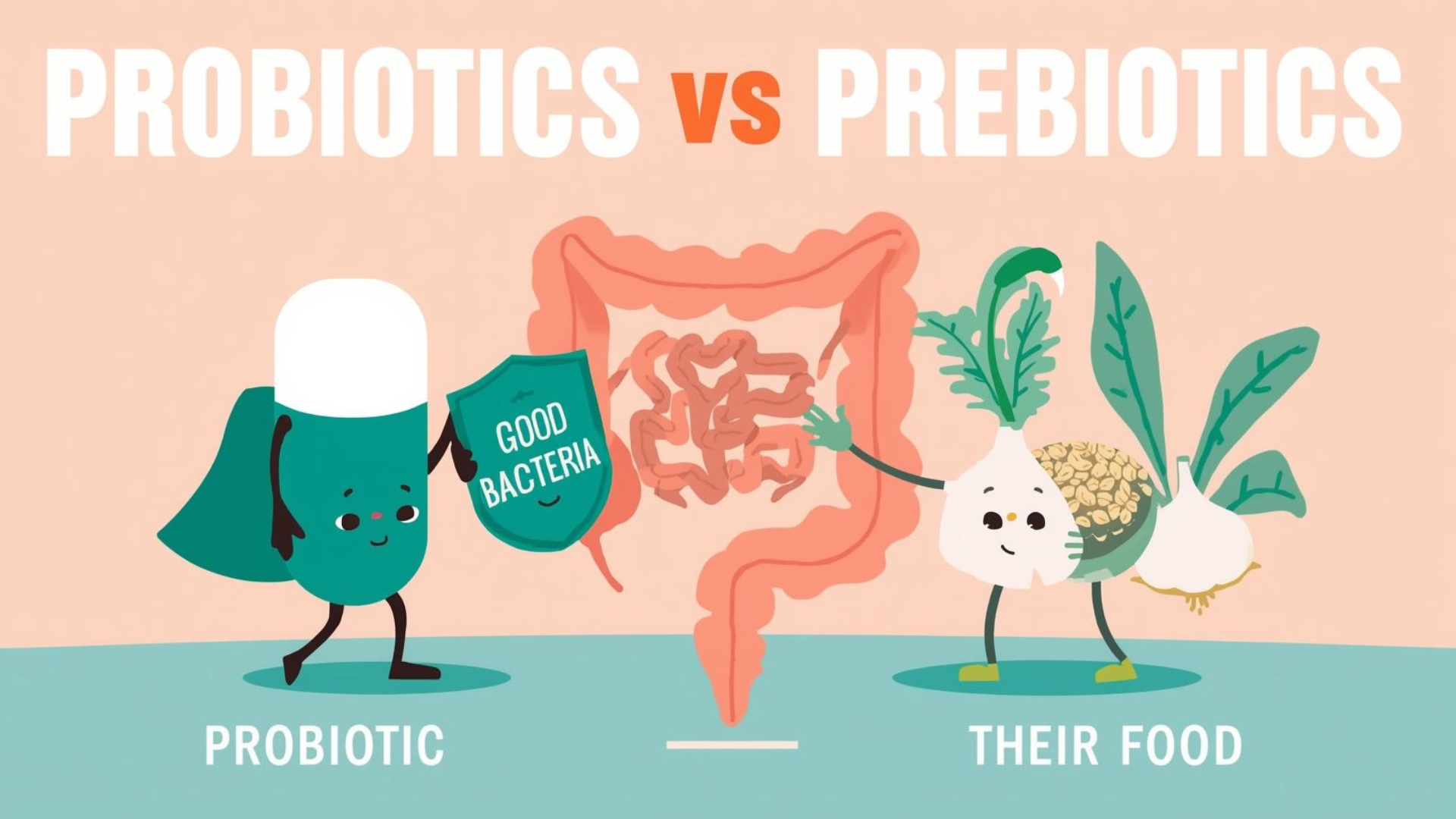
If you’ve browsed health shelves or wellness posts, you’ve definitely seen the gut-health duo: prebiotics and probiotics. Here’s a quick breakdown of how each one helps- and why your gut is happiest when both teams are in the game.
Prebiotics: The Behind-the-Scenes Heroes
What They Really Are
Prebiotics are "substrates that are selectively utilized by host microorganisms conferring a health benefit". In plain English: they're specific types of fiber that feed your beneficial gut bacteria.
The Science Behind It
Unlike probiotics, prebiotics aren't affected by stomach acid because your body lacks the enzymes to break them down. They cruise right through to your colon, where your existing bacteria throw themselves a fermentation party, producing beneficial short-chain fatty acids in the process.
Types You Should Know
The main prebiotic superstars include:
- Inulin (found in chicory root, Jerusalem artichokes)
- Fructooligosaccharides (FOS) (in onions, garlic, bananas)
- Galactooligosaccharides (GOS) (in legumes)
- Beta-glucans (in oats and barley)
- Resistant starch (in cooled potatoes, green bananas)
Where to Get Them
Food Sources:
- Bananas (especially slightly green ones)
- Oats and barley
- Legumes (beans, lentils, chickpeas)
- Apples (with the skin)
- Whole wheat products
- Garlic and onions (the dynamic duo)
- Jerusalem artichokes
- Asparagus and leeks
Probiotics: The Living Army in Your Gut
Probiotics are defined by the World Health Organization as "live microorganisms that, when administered in adequate amounts, confer a health benefit on the host". The key word here is "live"- these are actual living bacteria and yeasts that need to survive the journey through your stomach to reach your intestines. But here's the reality check: probiotics don't permanently colonize your gut. They have a "transient" effect, meaning they do their job and then mostly leave your system, which is why consistent consumption matters.
The Main Players
The most common probiotic bacteria you'll encounter include:
- Lactobacillus species (like L. acidophilus, L. rhamnosus)
- Bifidobacterium species (like B. bifidum, B. longum)
- Saccharomyces boulardii (a beneficial yeast)
- Streptococcus thermophilus
- Bacillus species
Each strain has its own specific superpowers– some are great for preventing antibiotic-associated diarrhea, others might help with IBS symptoms, and some could even support your immune system.
Where to Find Them
Food Sources:
- Yogurt (with live active cultures)
- Kefir (often more diverse than yogurt)
- Sauerkraut (unpasteurized)
- Kimchi (traditional Korean fermented cabbage)
- Miso and tempeh (fermented soy products)
- Kombucha (fermented tea)
- Aged cheeses and buttermilk
Important note: Not all fermented foods contain live probiotics! Pasteurization, canning, and cooking kill the bacteria, so look for labels that say "live active cultures".
When to Choose Prebiotics
Prebiotics are your friend if you:
- Want to support your overall gut ecosystem
- Have a relatively healthy digestive system already
- Prefer a food-first approach to gut health
- Want a more budget-friendly option
- Are looking for long-term gut microbiome support
Best timing: Consistency matters more than timing. Take them whenever you can stick to it daily, though some people with digestive sensitivities prefer bedtime to sleep through any initial gas.
When to Choose Probiotics
Go for probiotics if you:
- Recently took antibiotics (they can help restore balance)
- Have specific digestive issues like IBS or inflammatory bowel conditions
- Want targeted support for particular health concerns
- Are dealing with antibiotic-associated diarrhea
- Have a compromised immune system (with medical guidance)
Best timing: Take them with or shortly before a meal that contains some fat. This helps protect the bacteria from stomach acid and improves their survival rate.
The Bottom Line: Team Work Makes the Dream Work
Start with food first: Eat fermented foods for probiotics and plenty of fruits, vegetables, and whole grains for prebiotics. Remember, your gut microbiome is as unique as your fingerprint. What works for your friend might not work for you, and that's totally normal. Here's a simple way to remember it: Probiotics are the workers, prebiotics are the fuel.
References:
A comprehensive review of probiotics and human health-current prospective and applications
Probiotics and prebiotics: A brief overview - PubMed
Probiotics, prebiotics and synbiotics- a review - PMC
Probiotics vs Prebiotics - Canadian Digestive Health Foundation
Food as Medicine: Probiotic Foods | Children's Hospital of Philadelphia
11 Probiotic Foods That Are Super Healthy
Pre, Pro, Syn and Postbiotics: Breaking Down the Differences - Canadian Digestive Health Foundation