The Prebiotic Lowdown: Your Gut's Favorite Food
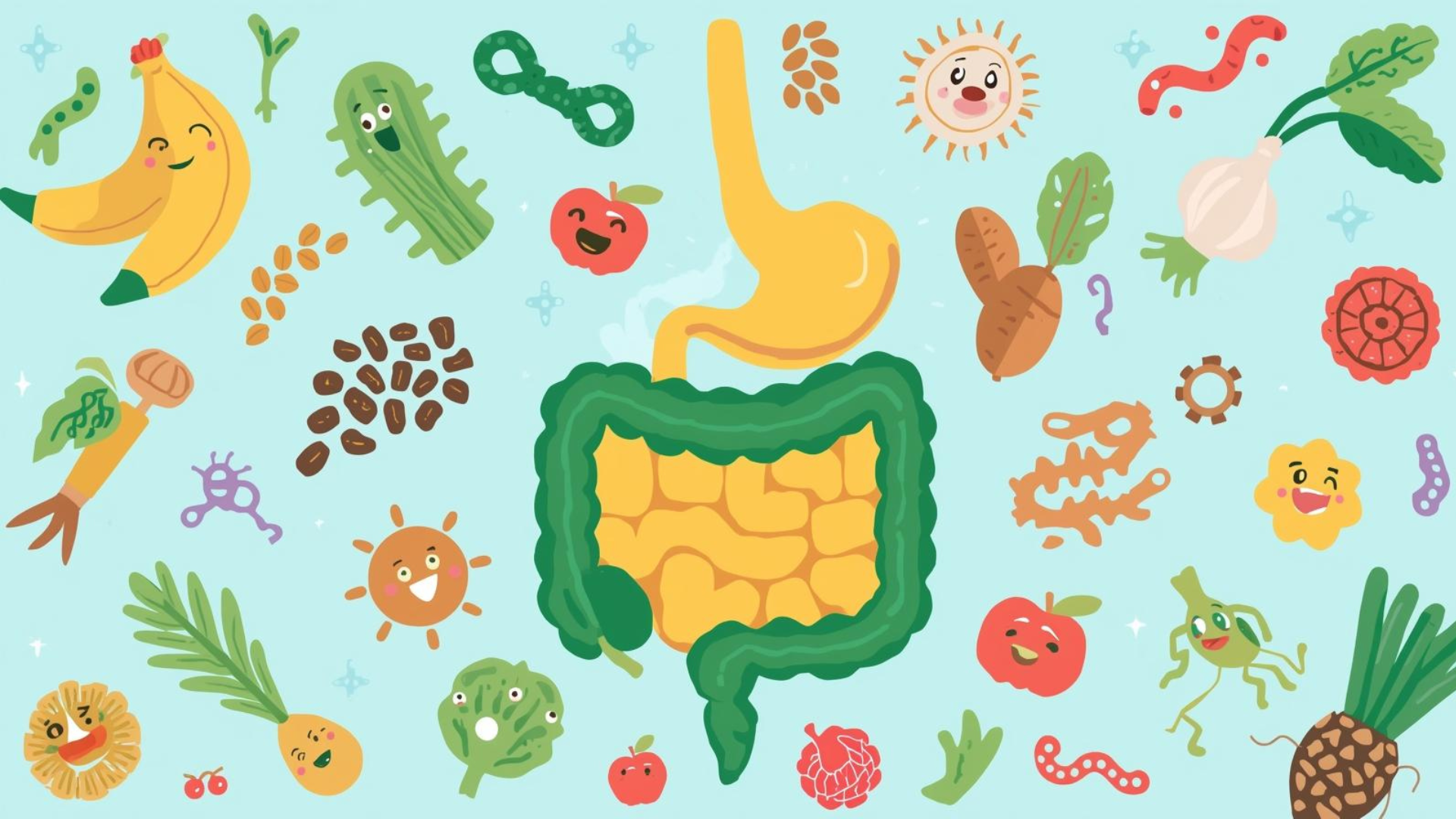
Let's talk about prebiotics– not the flashy new supplements flooding Instagram, they’re the OG food your gut bacteria have always loved, quietly keeping your digestion happy way before wellness trends made them cool.
What Exactly Are Prebiotics?
Think of prebiotics as the ultimate meal prep for your gut microbiome. They're basically specialized plant fibers that your body can't digest, but your gut bacteria absolutely love to munch on. Unlike probiotics (the actual live bacteria), prebiotics are the fuel that keeps your existing good bacteria thriving.
The science-y definition is that prebiotics are "substrates that are selectively utilized by host microorganisms conferring a health benefit". But honestly? Just think of them as fertilizer for your gut garden.
The Cool Science Behind How They Work
Here's where it gets interesting. When you eat prebiotic foods, they cruise right through your stomach and small intestine without being digested (your body literally doesn't have the tools to break them down). But once they hit your colon, it's like a festival for your bacteria.
Your good gut bugs– especially the helpful Bifidobacteria and Lactobacillus strains– go to town fermenting these fibers, producing short-chain fatty acids like acetate, propionate, and butyrate. These compounds are like little chemical messengers that help reduce inflammation, boost your immune system, and even support your gut lining.
Why Your Body Actually Needs Them
The benefits of prebiotics go way beyond just "good for digestion." Research shows they can help with:
- Stronger immune function (about 70% of your immune system lives in your gut)
- Reduced inflammation throughout your body
- Improved blood sugar control (your pancreas will thank you)
- Better appetite regulation (they might even help you make healthier food choices)
- Improved bowel regularity (no more awkward conversations about constipation)
- Better calcium absorption (hello, stronger bones!)
Some studies even suggest that eating prebiotic-rich foods might influence your brain's reward system, making you less likely to crave high-calorie junk food. Pretty wild, right?
The Prebiotic All-Stars in Your Kitchen
The good news? You probably already have prebiotic foods in your pantry. Here are the heavy hitters:
- Bananas (especially the slightly green ones)
- Apples (with the skin on for maximum fiber)
- Flax seeds (perfect for smoothies)
- Almonds and pistachios (snack away!)
- Avocados
- Garlic and onions (the dynamic duo of gut health)
- Asparagus (great roasted or grilled)
- Jerusalem artichokes
- Leeks
The Prebiotic Types You Should Know About
Not all prebiotics are created equal. The main players include:
- Inulin (found in chicory root, Jerusalem artichokes)
- Fructooligosaccharides (FOS) (shorter chain fibers that get fermented quickly)
- Galactooligosaccharides (GOS) (found in legumes)
- Beta-glucans (the fiber in oats and barley)
Chicory root is basically the MVP here– it's about 68% pure inulin, making it one of the richest natural sources of prebiotics.
How Much Should You Actually Eat?
Unlike vitamins, there's no official daily recommendation for prebiotics specifically. But experts suggest aiming for at least 3-5 grams of prebiotic fiber daily to see real benefits. For context, most adults need 25-40 grams of total fiber daily, and many of us are falling short at just 15-19 grams per day. So there's definitely room for improvement.
The Not-So-Fun Side Effects
Let's be real– ramping up your prebiotic intake isn't always smooth sailing. Some people experience:
- Gas and bloating (especially in the first few weeks)
- Stomach discomfort
- Changes in bowel movements
The key is to start slowly and build up gradually. Your gut bacteria need time to adjust to their new feast. Think of it like training for a marathon– you wouldn't sprint on day one.
So next time you're meal planning, think about feeding not just yourself, but the trillions of tiny residents working hard to keep you healthy. They've got your back– literally and figuratively.