What are prebiotics — and why your gut (and you) should care
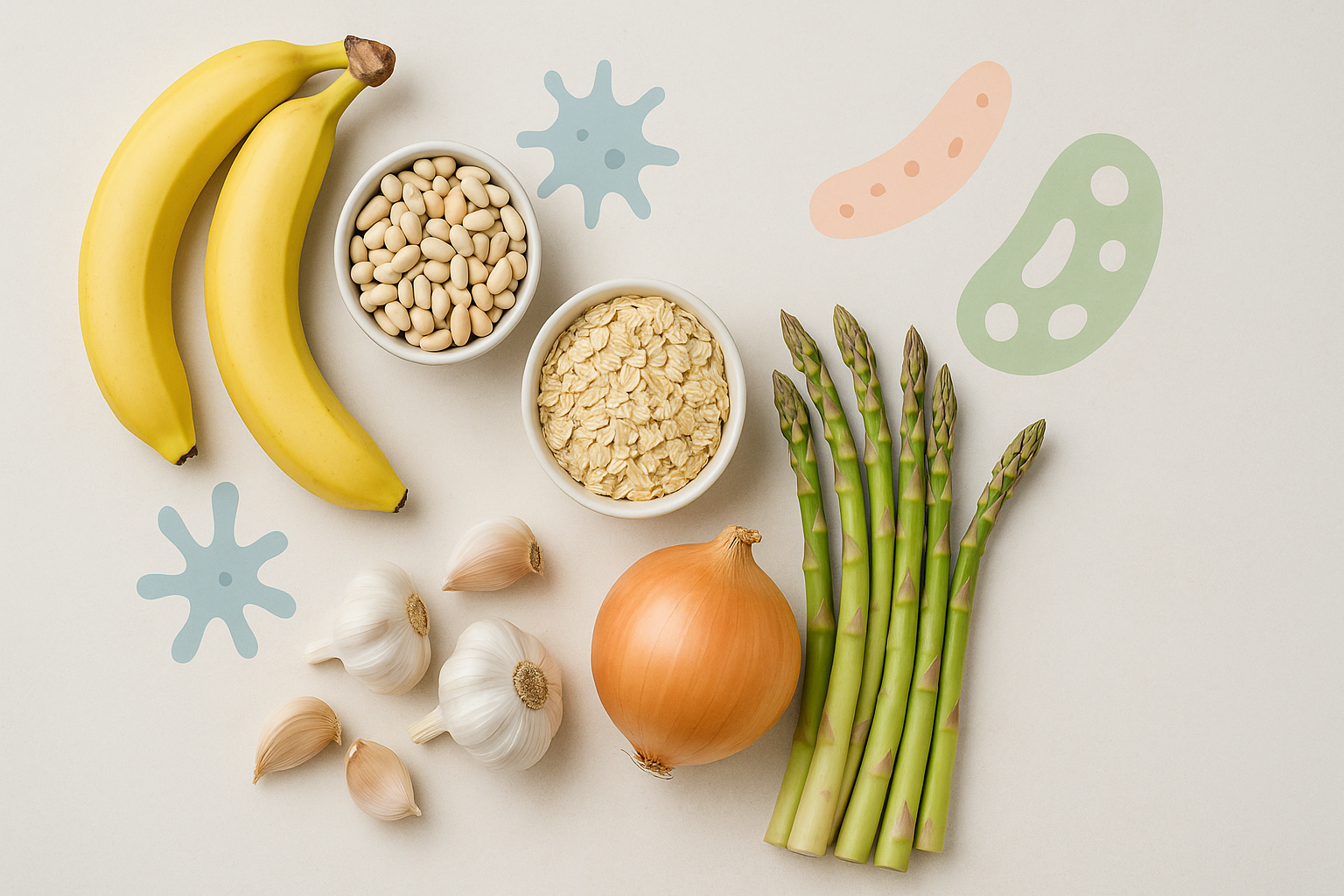
You’ve probably heard of probiotics — the live “good” bacteria in yogurt and kombucha. But prebiotics are the unsung heroes that feed those good bacteria and help your gut ecosystem thrive. This post explains prebiotics in plain English, why they matter, where to find them in everyday foods, and simple, science-backed tips to add them into your life. No PhD needed — just curiosity and a fork. (Harvard Health)
Quick, simple definition
Prebiotics are types of dietary fiber and other plant compounds that your body doesn’t fully digest. Instead, they travel to the lower gut where they become food for beneficial gut bacteria. In short: probiotics are the living microbes; prebiotics are their food. Together they help keep your gut community balanced. (Harvard Health)
Why prebiotics matter (the real benefits)
Researchers are still learning, but systematic evidence and expert summaries show prebiotics can support several aspects of health by improving the mix of gut bacteria. Some benefits linked to higher prebiotic intake include:
- Better digestive comfort and bowel regularity — prebiotics help feed bacteria that make short-chain fatty acids, which support healthy gut lining and regularity. (Harvard Health)
- Support for mineral absorption — certain prebiotic fibers can help your body absorb calcium and other minerals. (Harvard Health)
- Helping blood sugar control and appetite — emerging studies suggest prebiotic-rich foods may support steadier blood sugar and even influence food cravings. (Harvard Health)
- Complementing immune health — because much of the immune system lives near the gut, a healthier microbiome can help the body’s general defenses function better. (MD Anderson Cancer Center)
(Important note: while research is promising, prebiotics aren’t a cure-all. They’re one simple, evidence-backed habit that supports a healthier gut over time. Always check with a healthcare provider for personal health decisions.) (MD Anderson Cancer Center)
Prebiotics vs. probiotics — what’s the difference?
Think of your gut like a garden. Probiotics are like planting live seedlings (beneficial bacteria). Prebiotics are the compost and fertilizer — they feed the plants so they grow and crowd out weeds. You can use both together (foods or supplements), but they’re different things and both useful. (Intermountain Health)
Everyday foods that are naturally rich in prebiotics
You don’t need special powders to get prebiotics. Many common, affordable foods are great sources:
- Onions, garlic, leeks — tasty and versatile in cooking.
- Bananas (especially slightly green), asparagus, and Jerusalem artichoke.
- Whole grains and wheat products — contain prebiotic fibers.
- Legumes and soybeans — hearty sources for plant-based diets.
- Root vegetables and some fruits — many high-fiber plants contain prebiotic compounds. (Children's Hospital of Philadelphia)
Small swaps — like adding a clove of garlic to your stir-fry, tossing chickpeas into salad, or choosing whole-grain bread — can raise your prebiotic intake without any extra hassle. (Children's Hospital of Philadelphia)
Common myths — and the simple truth
Myth: “Prebiotics are the same as probiotics.” — False. Probiotics are live organisms; prebiotics are the fibers that feed them. (Intermountain Health)
Myth: “You need supplements to get benefits.” — Not necessarily. Many people get useful amounts from a varied, plant-forward diet. Supplements exist and can help some people, but food-first is a solid approach. (Harvard Health)
Myth: “Prebiotics are only for people with gut issues.” — No — they’re helpful for general gut maintenance and are appropriate for many healthy adults. However, those with certain digestive conditions may need tailored advice. (UMass Chan Medical School)
Who should be careful?
Most adults can try increasing prebiotic foods, but some people should be cautious:
- People with IBS (irritable bowel syndrome), especially gas- and diarrhea-predominant types, may be sensitive to certain fermentable fibers and might need an individualized approach. (Harvard Health)
- Anyone with severe digestive conditions or recent major illness should check with their healthcare team before starting supplements or big diet shifts. (UMass Chan Medical School)
If symptoms like severe bloating, pain, or changes in bowel habits appear after increasing fiber, pause and consult a clinician or registered dietitian. (UMass Chan Medical School)
Science-based references and reading (short list)
For readers who want the original sources and easy-to-read summaries, these are great trusted pages used for this post:
- Harvard Health — Understand prebiotics and how they help gut health. (Harvard Health)
- MD Anderson Cancer Center — Clear explanation of prebiotics vs. probiotics and practical context. (MD Anderson Cancer Center)
- Intermountain Health — Short primer on the difference between prebiotics and probiotics. (Intermountain Health)
- UMass Memorial Nutrition — Guidance on who should be cautious and how to get prebiotics safely. (UMass Chan Medical School)
Where iombio fits in (brand note — non-salesy)
At iombio.com, we’re committed to making prebiotic knowledge clear, accessible, and genuinely useful for anyone interested in improving everyday digestive wellness — without confusion or marketing noise. We’re currently preparing to launch thoughtfully designed prebiotics in capsule and powder formats to suit different preferences and routines.
Explore prebiotics further, or know more, visit iombio.com — and if you’d like to connect directly, reach our team anytime at better@iombio.com.
Short takeaways (so you can act today)
- Prebiotics are food for your gut’s good bacteria — not the bacteria themselves. (Harvard Health)
- You’ll find prebiotics in everyday foods like garlic, onions, bananas, whole grains, legumes, asparagus, and Jerusalem artichokes. (Children's Hospital of Philadelphia)
Add them slowly, pair them with probiotics when you like, and pay attention to how your body responds. (Harvard Health)